The Institution’s Innovation Council (IIC) has been established to foster a vibrant, self-sustaining culture of innovation, entrepreneurship, design thinking, and problem-solving among students and faculty members. Operating under the umbrella of the Ministry of Education’s Innovation Cell (MIC), the council actively organizes workshops, hackathons, ideation sessions, expert talks, innovation challenges, and startup mentoring programs.
Key Objectives of IIC:
- Create an institutional ecosystem to identify and nurture innovative ideas developed by students and faculty.
- Conduct cognitive, ideation, and entrepreneurial capacity-building workshops on a regular calendar schedule.
- Facilitate interaction with entrepreneurs, venture capitalists, industry experts, and patent attorneys.
- Promote intellectual property creation, provisional patent filings, and technology transfer.
Vision:
To build a lively local innovation community at the institute to encourage an entrepreneurial mindset, support creativity, and promote activities driven by innovation among students and faculty.
Mission:
- To cultivate and encourage an innovative mindset among students for addressing socially relevant challenges.
- To actively contribute towards Institutional Innovation Rankings.
- To promote a learner-centric approach that emphasizes entrepreneurial skills and capacity building.
- To create and sustain an enabling ecosystem that supports start-ups and entrepreneurial ventures initiated by students, faculty, and staff.
| Sr. No. | Name of Member | Member Type (Teaching/ Nonteaching /Student/ External Expert) | Key Role/Position assigned in IIC |
|---|---|---|---|
| 1 | Mr. Sunil Jadhav | Teaching | President |
| 2 | Dr. Sunil Chavan | Teaching | Principal |
| 3 | Dr. V.P Patil | Teaching | Vice President |
| 4 | Dr. K. T. Patil | Teaching | Convener |
| 5 | Prof. Revti Jadhav | Teaching | Social media |
| 6 | Prof. Dipti Chandran | Teaching | Startup activity coordinator |
| 7 | Prof. Sarika Matey | Teaching | Innovation Activity |
| 8 | Prof. Manisha Hatkar | Teaching | NIRF Coordinator |
| 9 | Dr. Umakant Gohatre | Teaching | IPR activity coordinator |
| 10 | Prof. Jaspreet Kaur | Teaching | ARIIA Coordinator |
| 11 | Prof. Vishwadeep Sardar | Teaching | Internship Activity Coordinator |
| 12 | Prof. Satish Kuchiwale | Teaching | RD Cell Coordinator |
| 13 | Prof. Nirosha Uppu | Teaching | Member |
| 14 | Dr. Tusharika Banerji | External Expert, Startup / Alumni entrepreneur | Member |
| 15 | Ms. Chahat Hargunani | External Expert, Nearby Incubation Centre (RGCMS) | Member |
| 16 | Mr. Baban Magdum | External Expert, Expert from nearby Industry | Member |
| 17 | Mr. Sumesh Menon | External Expert, Expert from nearby Industry | Member |
| 18 | Yash Patil | Student, SE Comps | Innovation coordinator |
| 19 | Vidisha Gote | Student SE Comps | Startup coordinator |
| 20 | Soni Ambatwar | Student TE Electrical | Internship coordinator |
| 21 | Riya Redji | Student TE Electrical | IPR coordinator |
| 22 | Samrudhi Hirave | Student TE Comps | Social Media coordinator |
During the academic year 2024–25, the Institution’s Innovation Council (IIC) at SIGCE conducted a total of 41 activities divided across four primary categories:
15 IIC Calendar Activities
1 MIC-driven Activity
23 Self-Driven Activities
2 Celebration Day Activities.
These initiatives aimed to enhance student skills in ideation, critical thinking, software/hardware engineering, intellectual property rights, and start-up incubation. As a direct outcome of these programs, students and faculty generated 18 ideas, developed 10 prototypes, established 1 start-up, and published/granted 1 IP. Additionally, the council facilitated active participation in government initiatives, resulting in 8 project nominations for the Yukti 2025 Innovation Challenge, 38 project selections in the MSME Hackathon 5.0, and 5 project nominations for the AICTE Productization Fellowship 2025 Challenge.
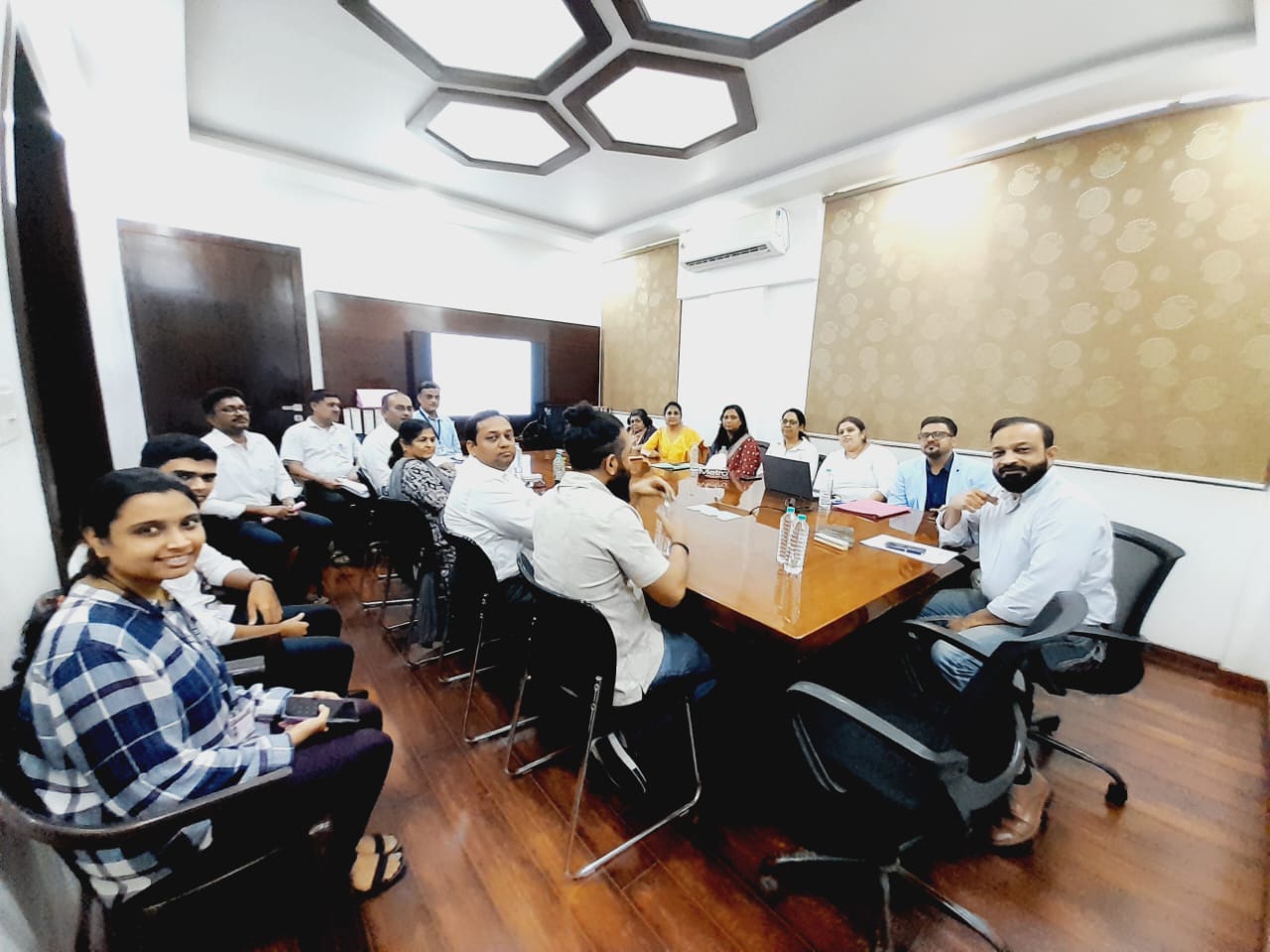
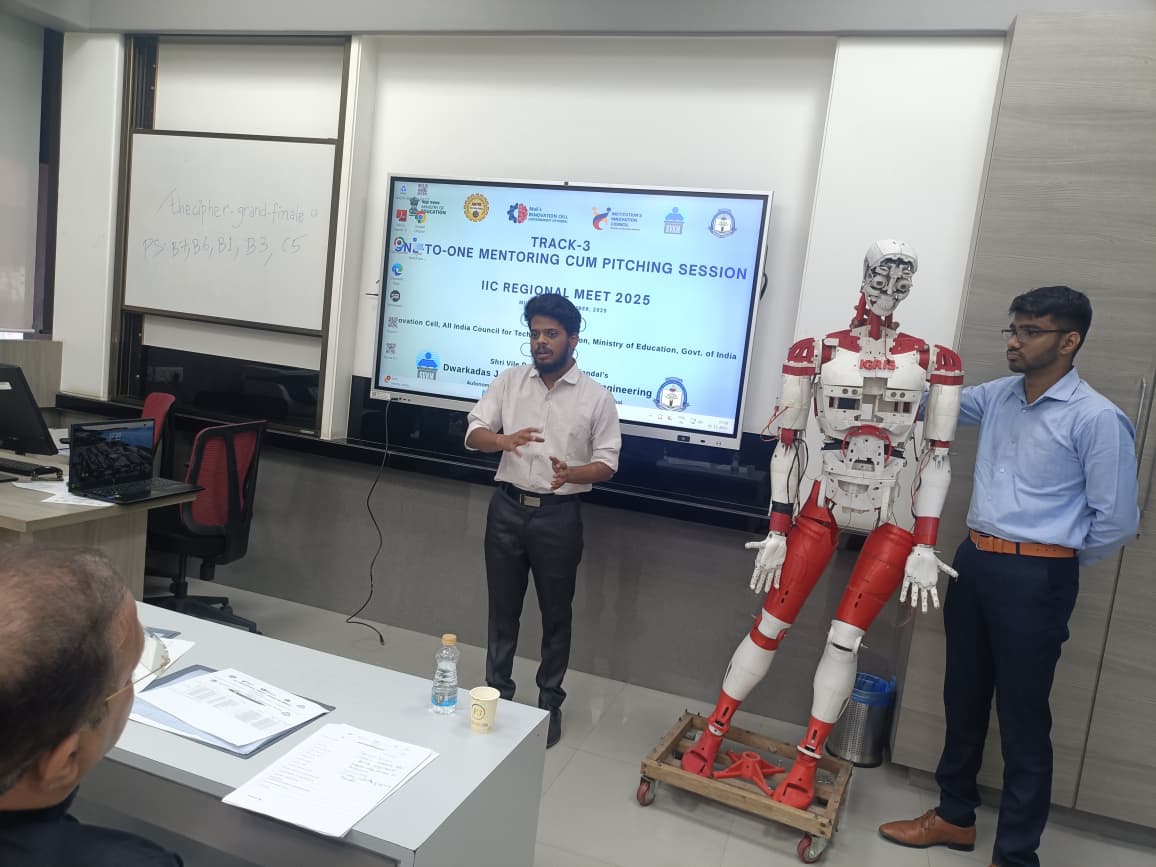
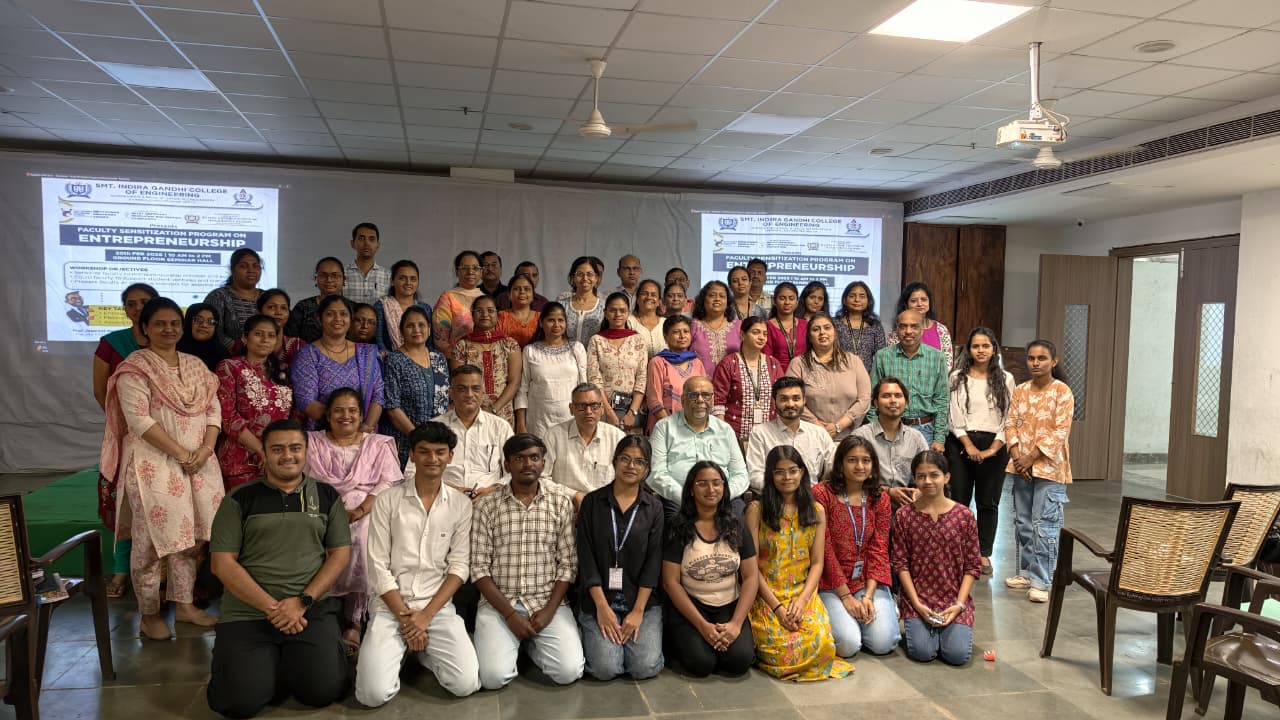
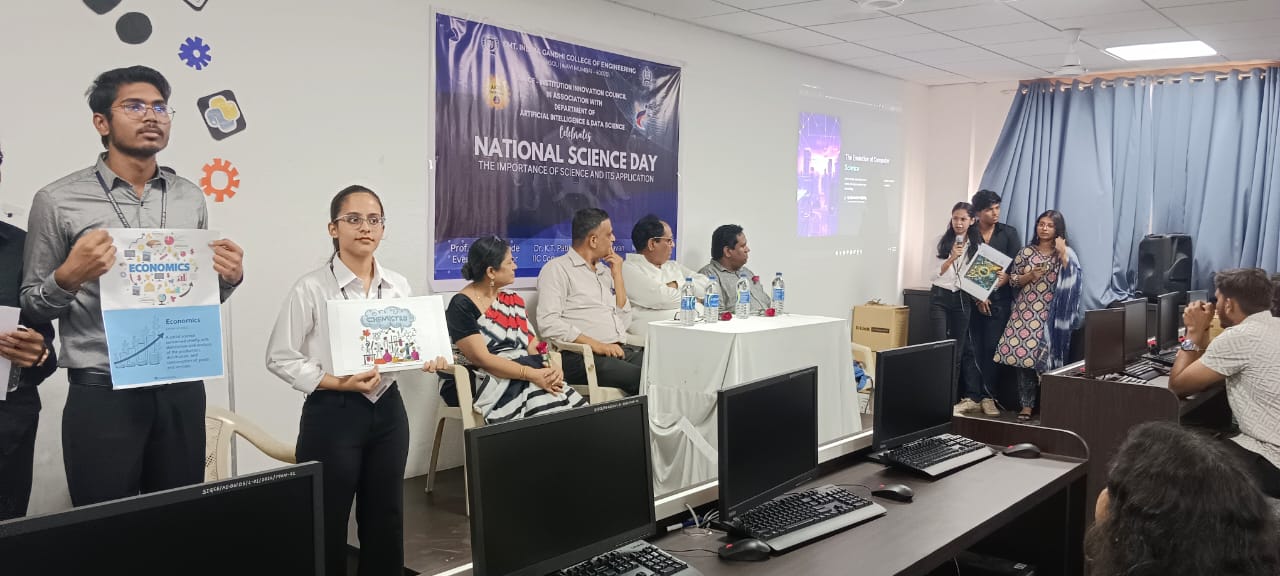
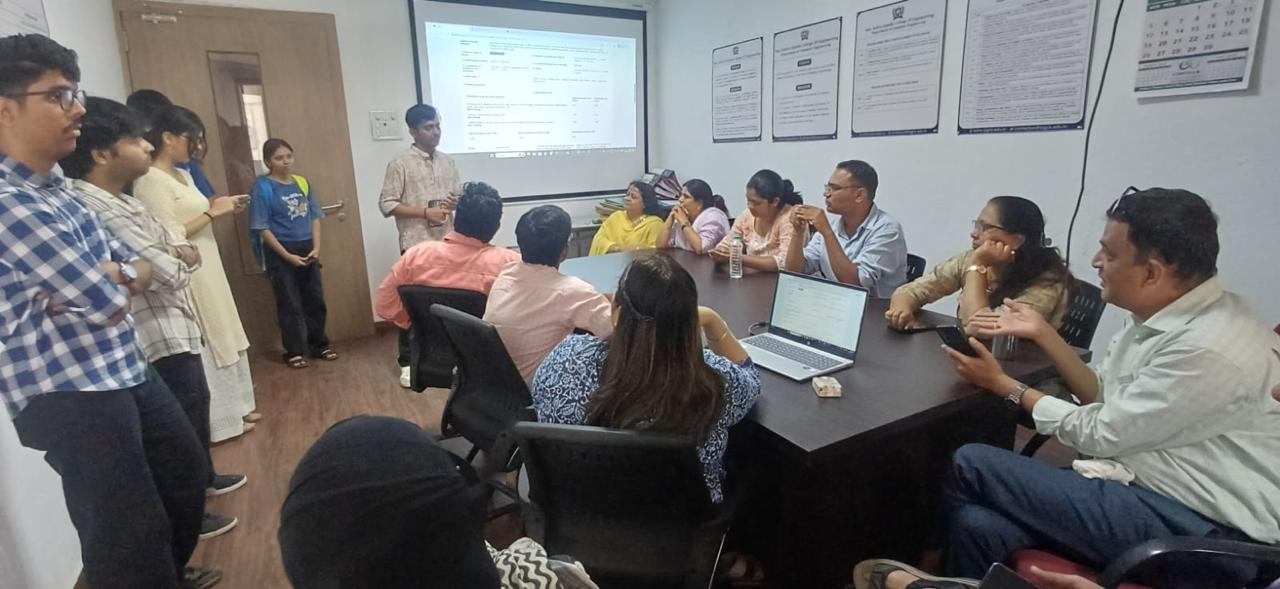
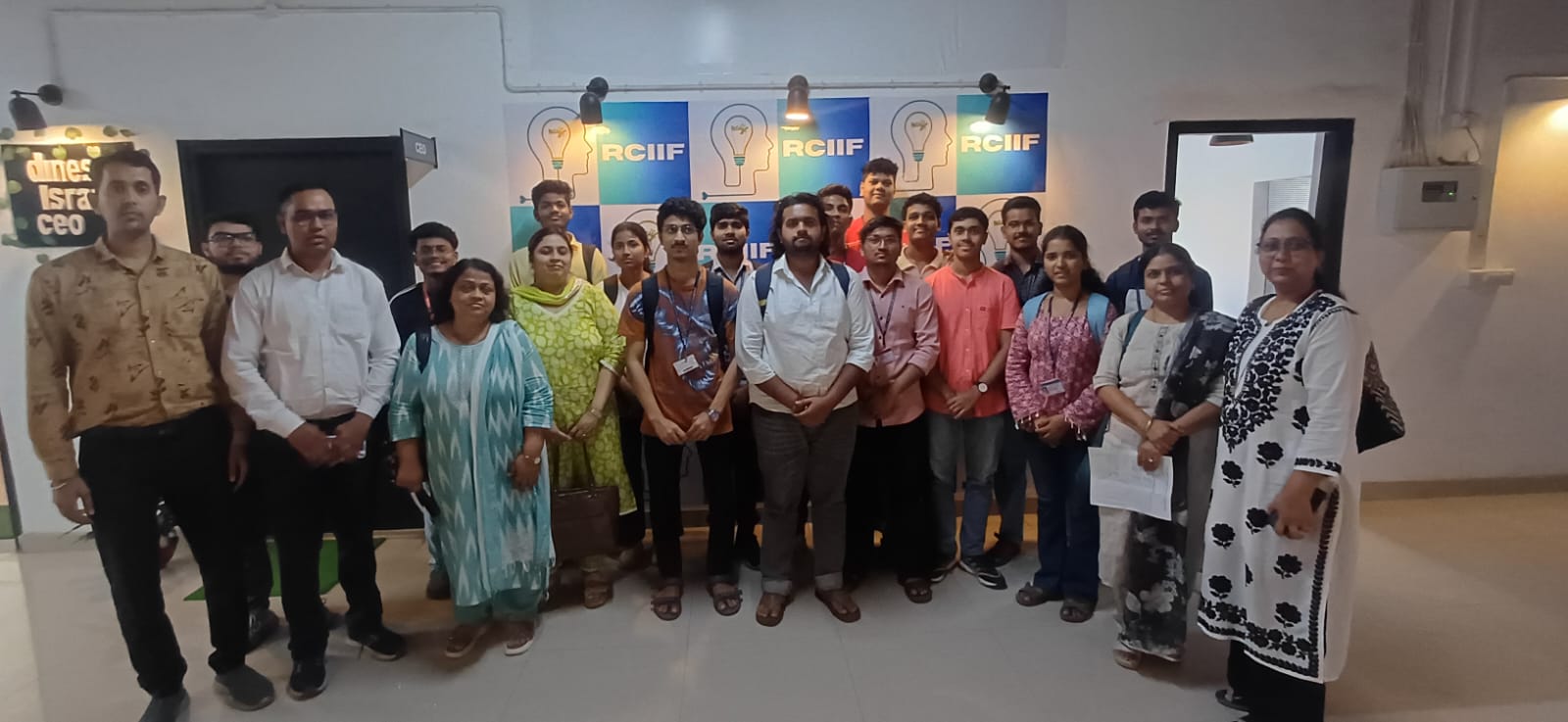
The IIC cell of SIGCE strives to organize a comprehensive mix of interactive sessions, technical workshops, and competitive events to build an entrepreneurial ecosystem on campus. The cell holds calendar workshops focusing on core innovation principles, such as design thinking, raising capital, technology readiness levels (TRL), commercialization, and prototype development. To build practical technical competency, self-driven programs are conducted covering various paradigms of entrepreneurial and innovation activities. The IIC also organizes competitive forums including code jams, business plan competitions, AutoCAD challenges, and national-level technical paper and poster presentation contests. Beyond technical skills, the cell also provides career guidance webinars, soft skills training, mock GRE/IELTS exams, field visits to pre-incubation units, and hosts awareness and sensitization events while celebrating important events like National Science Day and National Startup Day.
Institution’s Innovation Council (IIC) Cell
Smt. Indira Gandhi College of Engineering (SIGCE)
- Key Officials:
- IIC President: Mr. Sunil Jadhav
- IIC Convener: Dr. Kishor T. Patil (kishor.patil@sigce.edu.in)
- Email: contactus@sigce.edu.in / principal@sigce.edu.in
- Phone: +91-8080949300 / +91-7738921077
- Address: Plot No. 1, Sector 8, Ghansoli, Navi Mumbai, Maharashtra – 400701
- Website: sigce.edu.in
As a recognized Host Institute (HI) under the Ministry of Micro, Small & Medium Enterprises (MSME), Government of India, our institution serves as a premier regional innovation hub. We are empowered to identify, mentor, and nurture breakthrough ideas submitted under the MSME Innovative Scheme (Incubation Component).
Through expert technical guidance, state-of-the-art laboratory infrastructure, computational facilities, and industry collaboration, we support innovators in transforming raw ideas into proof-of-concepts, functional prototypes, and commercially viable startups. The Host Institute facilitates grant funding support of up to ₹15 Lakhs per approved idea directly from the Ministry of MSME.
- Idea Incubation: Identify early-stage concepts from students, startups, and MSMEs and help develop them into market-ready prototypes.
- Infrastructure & Mentorship: Provide access to lab equipment, technical expertise, business mentoring, and IP assistance.
- Funding Facilitation: Channel MSME Scheme grants (up to ₹15 lakh per approved idea) to support validation, prototyping, and testing.
- Industry-Academia Linkage: Connect academic research with local industry needs to accelerate commercialization and solve technical challenges.
Mentors are the backbone of every successful MSME-funded project. They guide students in refining ideas, validating technical feasibility, preparing proposals, developing prototypes, ensuring timely execution, and transforming innovative concepts into market-ready solutions. Through continuous mentorship, they bridge the gap between academia and industry while fostering entrepreneurship and innovation among students.
Current MSME Hackathon 5.0 Funded Projects and Mentors
| Project | Department | Grant | Mentor</th |
|---|---|---|---|
| Synchronized Adaptive Traffic Signaling | CSE (IOTBT) | ₹15 Lakhs | Prof. Aasha Kantekar |
| Unauthorized Construction Monitoring | CSE (IOTBT) | ₹15 Lakhs | Prof. Sarita Bopalkar |
| Gramik | Computer Engineering | ₹13.99 Lakhs | Prof. Jaspreet Kaur |
| VIPPERA | Computer Engineering | ₹9 Lakhs | Prof. Shagufta Khanum |
Total Projects Funded: 4
Total Grant Secured: ₹52.99 Lakhs
The MSME Host Institute provides a comprehensive ecosystem to support innovation and entrepreneurship among students and startups. It offers technical mentoring, project guidance, and proposal evaluation to help innovators develop viable solutions. Selected teams receive government funding, incubation support, and access to industry experts for product development and commercialization. The Host Institute also facilitates academia–industry collaboration, prototype development, and continuous monitoring of funded projects. Through these facilities, it enables innovators to transform ideas into market-ready products while contributing to the growth of the MSME sector and the vision of Atmanirbhar Bharat.
At Smt. Indira Gandhi College of Engineering (SIGCE), the MSME Host Institute actively supports student innovators by facilitating access to funding under the MSME Idea Hackathon of the Ministry of MSME. The institute guides students in idea identification, proposal preparation, documentation, and project submission, while providing expert mentoring throughout the evaluation process. Selected projects receive financial assistance for prototype development, product validation, testing, and commercialization. In MSME Hackathon 5.0, SIGCE secured ₹52.99 lakh in funding for four innovative student projects, demonstrating the institute’s commitment to promoting innovation, entrepreneurship, and startup development through continuous mentoring and institutional support.
MSME Host Institute
Smt. Indira Gandhi College of Engineering (SIGCE)
Plot No 1, Sector 8, Ghansoli, Navi Mumbai – 400201, Maharashtra
Host Institute Coordinator: Dr. K. T. Patil
Email: kishor.patili@sigce.edu.in
Phone: +91-9029421041
Website: www.sigce.edu.in
MSME Hackathon 5.0 is a flagship initiative of the Ministry of MSME, Government of India, under the MSME Champions Scheme, aimed at promoting innovation, entrepreneurship, and technology-driven solutions for the MSME sector. The hackathon provides a national platform for students, startups, innovators, and MSMEs to present innovative ideas addressing key challenges in areas such as Industry 4.0, Artificial Intelligence (AI), Internet of Things (IoT), smart supply chains, low-carbon technologies, defence, and sustainable development.
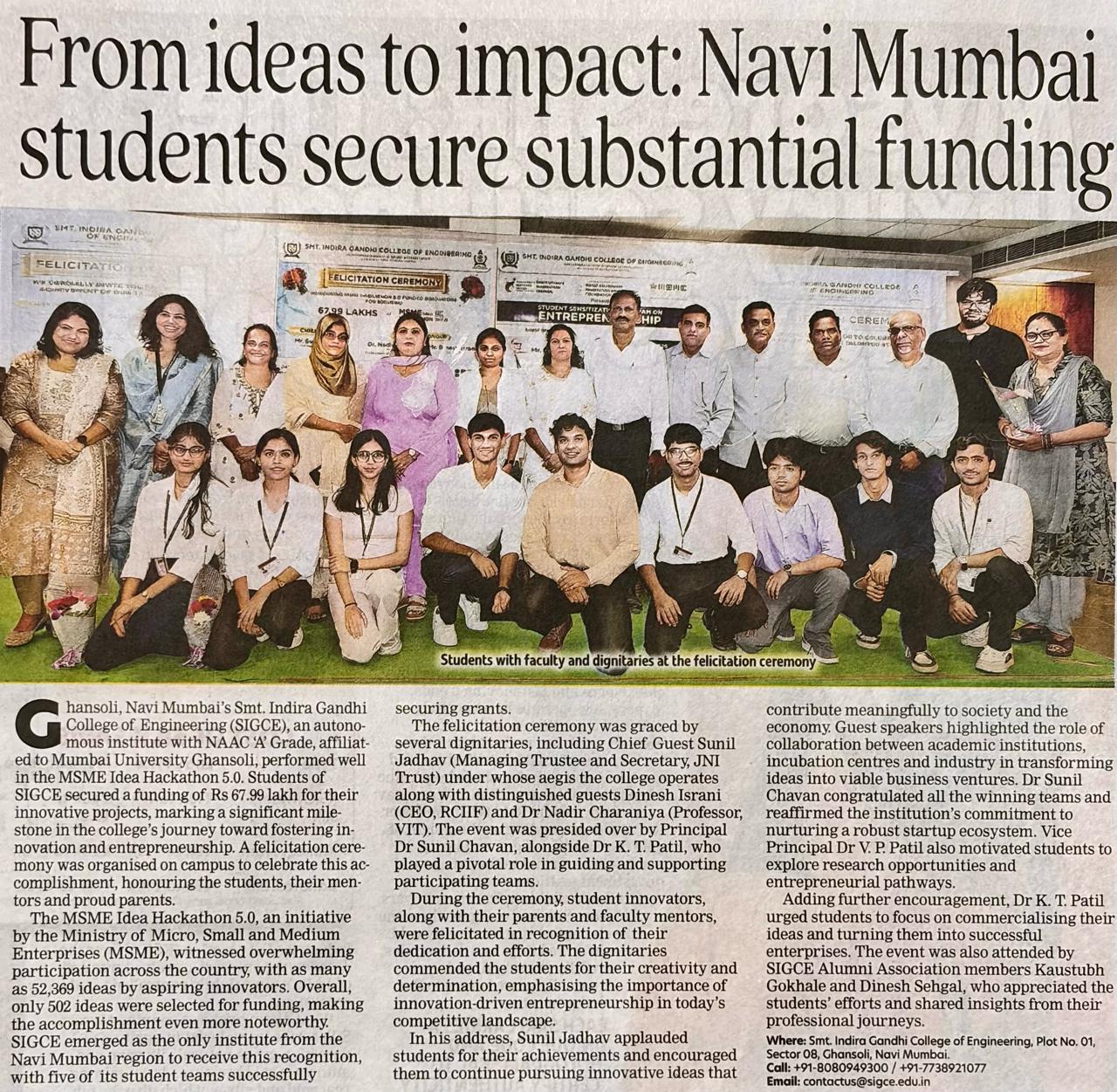
The competition follows a rigorous multi-stage evaluation process, where ideas are screened and shortlisted by Host Institutes and expert committees before receiving financial support. Selected projects are awarded government grants, along with mentoring and incubation support, to develop prototypes and commercialize their innovations. In MSME Hackathon 5.0, Smt. Indira Gandhi College of Engineering (SIGCE) secured funding of ₹52.99 lakh for four innovative student projects, reflecting the institute’s strong commitment to innovation and entrepreneurship.
The hackathon witnessed 52,369 ideas submitted from across the country, of which 13,106 ideas were forwarded by Host Institutes for further evaluation. After rigorous screening, 11,088 ideas were shortlisted, 7,047 were recommended by the Domain Expert Selection Committees (DESCs), and finally only 502 top ideas were approved for funding by the Project Monitoring and Approval Committee (PMAC).
Amid this highly competitive national selection process, SIGCE secured funding of ₹52.99 lakh for four projects, demonstrating the institute’s excellence in innovation and entrepreneurship.
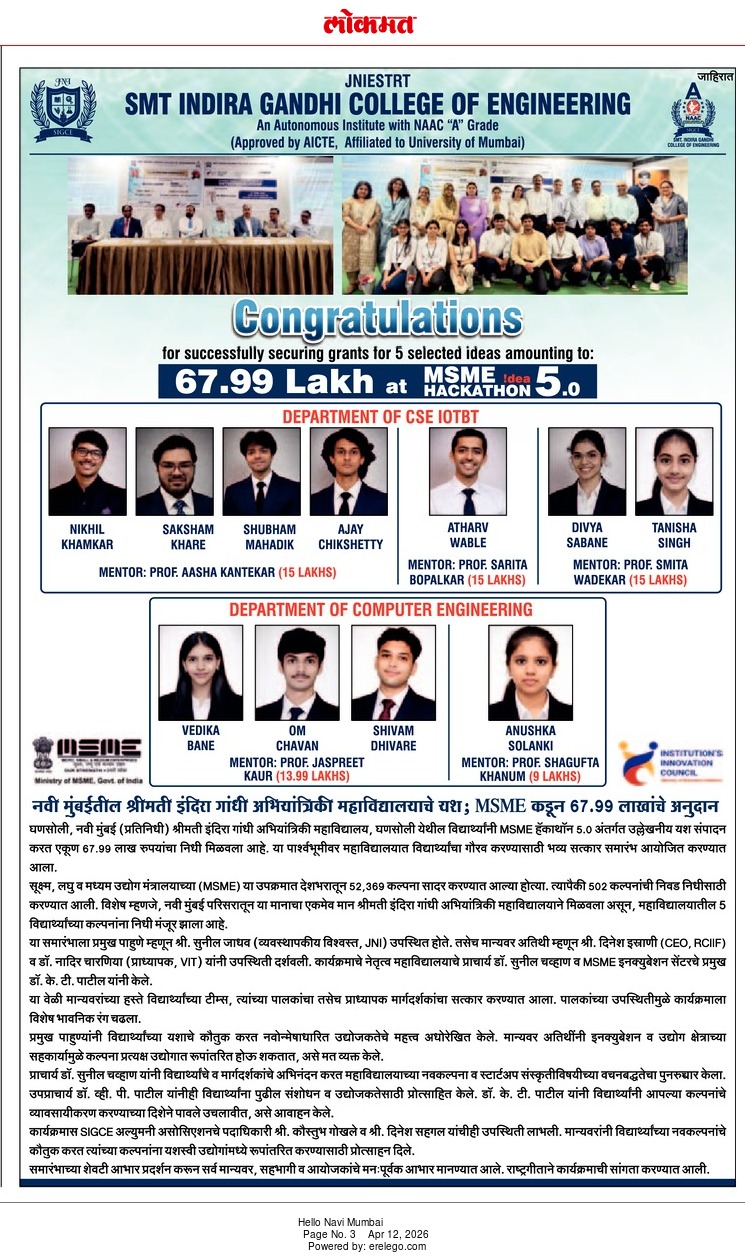
The following students from Smt. Indira Gandhi College of Engineering (SIGCE) were the winners of MSME Hackathon 5.0 and received funding under the MSME Champions Scheme.
| Student Winner(s) | Project | Department | Mentor | Grant |
|---|---|---|---|---|
| Nikhil Khamkhar, Shubham Mahadik, Saksham Khare, Ajay Chikshetty | Synchronized Adaptive Traffic Signaling | CSE (IOTBT) | Prof. Aasha Kantekar | ₹15 Lakhs |
| Atharv Wable | Unauthorized Construction Monitoring | CSE (IOTBT) | Prof. Sarita Bopalkar | ₹15 Lakhs |
| Vedika Bane, Om Chavan, Swapnil Dhivare | Gramik | Computer Engineering | Prof. Jaspreet Kaur | ₹13.99 Lakhs |
| Anushka Solanki | VIPPERA | Computer Engineering | Prof. Shagufta Khanum | ₹9 Lakhs |
Synchronized Adaptive Traffic Signaling
Smart Traffic Light is an intelligent traffic management system that uses sensors, real-time data analytics, and AI-driven algorithms to optimize traffic flow and reduce congestion. Unlike conventional traffic signals with fixed timings, it dynamically adjusts signal durations based on real-time traffic conditions, prioritizes emergency vehicles, accommodates pedestrian movement, and coordinates with nearby intersections. The system aims to improve road safety, reduce travel delays and fuel consumption, and support the development of smart cities and future autonomous transportation systems.
Unauthorized Construction Monitoring
Unauthorized Construction Monitoring is an intelligent land surveillance system that uses satellite or drone imagery, AI-based image analysis, and blockchain-enabled document verification to monitor government-owned land. The system automatically detects unauthorized construction activities at an early stage, enabling timely intervention by authorities to prevent encroachment. By replacing manual inspections with a smart, cost-effective, and technology-driven approach, it enhances transparency, improves monitoring efficiency, and helps protect public land assets.
Gramik
Gramik is an offline-first mobile ERP application designed for rural and semi-urban MSMEs to efficiently manage inventory, sales, billing, and expenses without requiring continuous internet connectivity. With features such as voice input, regional language support, and a simple user interface, it is accessible even to users with limited digital literacy. The solution aims to empower rural businesses by improving record-keeping, enhancing operational efficiency, and enabling easier access to financial assistance and government schemes through organized digital data.
Viperra
Viperra is an AI-powered modular cybersecurity R&D toolkit designed to provide a unified
platform for offensive and defensive security operations. By integrating multiple open-source cybersecurity tools with AI-driven vulnerability detection and anomaly analysis, it enables researchers, students, developers, and security professionals to simulate attacks, detect threats, and develop secure applications within a flexible and user-friendly environment. Viperra aims to protect early-stage digital assets, prevent silent data theft, ensure privacy through offline monitoring, and make advanced cybersecurity accessible to both technical and non-technical innovators, thereby promoting secure digital innovation and cyber resilience.
News article published in Lokmat and other leading newspapers.
- Registration/Login Portal: MSME Idea Hackathon Portal
- Participation Guidelines (Official PDF): MSME Idea Hackathon 6.0 Instructions for Participation
According to the Ministry:
- The application deadline was extended to 21 July 2026 (11:59 PM).
- The next phase is evaluation of submitted ideas by the Host Institutes (HIs), followed by Ministry-level screening and final approval by the PMAC.
MSME Idea Hackathon 6.0 is centered on the theme “Frontier Technology in MSMEs”, encouraging innovators to develop technology-driven solutions that enhance the competitiveness, sustainability, and growth of Micro, Small, and Medium Enterprises (MSMEs). The hackathon invites innovative ideas under six key thematic areas:
- Renewable Energy – Solutions for clean energy generation, storage, green hydrogen, solar, wind, biomass, and decentralized energy systems.
- Energy Efficiency – Technologies that reduce energy consumption, improve industrial processes, and enhance resource efficiency in MSMEs.
- Automotive Technology – Innovations related to electric mobility, intelligent transportation, vehicle components, and sustainable automotive solutions.
- Industry 4.0 & 5.0 – Adoption of Artificial Intelligence (AI), Internet of Things (IoT), digital twins, smart manufacturing, and advanced digital technologies for MSMEs.
- Robotics & Automation – Automation and robotic solutions to improve productivity, quality, and operational efficiency in manufacturing and service sectors.
- Other Frontier Technologies – Emerging technologies such as advanced materials, biotechnology, cybersecurity, quantum technologies, drones, space technologies, and other innovative solutions with high commercial potential.
| Stage | Timeline / Activity |
|---|---|
| Launch of MSME Idea Hackathon 6.0 | 27 June 2026 |
| Online Application Submission | 27 June – 21 July 2026 (extended from the original deadline of 14 July 2026) |
| Stage 1: Evaluation by Host Institutes (HIs) | Begins after closure of the application portal; shortlisted ideas are forwarded to the Ministry. |
| Stage 2: Ministry of MSME Screening | Verification of documents and eligibility of shortlisted proposals. |
| Stage 3: Domain Expert Selection Committee (DESC) | Technical evaluation and scoring of eligible ideas by experts from academia, industry, and government. |
| Stage 4: Project Monitoring and Advisory Committee (PMAC) | Final approval of projects recommended for funding. |
| Funding & Incubation | Approved projects receive grant support of up to ₹15 lakh along with mentoring and incubation through the allotted Host Institute for prototype development and commercialization. |
Smt. Indira Gandhi College of Engineering (SIGCE) is committed to fostering a vibrant culture of innovation, entrepreneurship, and startup development by providing students and faculty with a supportive ecosystem for transforming ideas into successful ventures. Through its Institute Innovation Council (IIC), MSME Host Institute, and industry collaborations, SIGCE encourages innovation through mentoring, incubation, funding opportunities, prototype development, and entrepreneurship training. The institute aims to nurture technology-driven startups that address real-world societal and industrial challenges.
Future Initiatives at SIGCE
- Establish a fully functional Incubation Centre to provide end-to-end support for startups, including mentoring, co-working space, prototype development, business guidance, intellectual property (IP) assistance, industry networking, and access to funding opportunities.
- Develop an AI Competency Centre to promote excellence in Artificial Intelligence, Machine Learning, Data Science, Generative AI, and Intelligent Automation through specialized training, industry-sponsored projects, research, innovation, certifications, and startup incubation, thereby preparing students for emerging technologies and strengthening AI-driven entrepreneurship at SIGCE.
| Date | Notice Descritpion | Link |
|---|---|---|
| 20/08/2026 | Eureka National Entrepreneurship Challenge (NEC) 2026 | Click Here |
| 20/08/2026 | Reporting for MSME Idea Hackathon 6.0 | Click Here |
| 20/08/2026 | MSME Idea Hackathon 6.0 Shortlisted Ideas | Click Here |